Negative Prompt Examples
Improve AI Image Quality Faster
Many AI image problems are not caused by weak positive prompts. They happen because the model was never clearly told what to avoid. A strong negative prompt helps remove clutter, anatomy errors, warped text, duplicate objects, and cheap-looking detail.
This page stays practical. Instead of explaining the concept in abstract terms, it gives you usable negative prompt examples you can copy, trim, and adapt for portraits, product images, anime art, and text-heavy graphics.
What a negative prompt does
A negative prompt tells the model what should not appear in the result. It is especially useful when you want to reduce anatomy mistakes, messy backgrounds, uncontrolled reflections, misspelled text, low detail, or a generic low-end visual feel.
Best use cases
- Portraits with hand, face, or symmetry issues
- Product shots with warped labels or weak commercial polish
- Anime images with extra limbs or dirty linework
- Poster and packaging graphics with broken typography
A general-purpose negative prompt template
If you want a starting point, use this and then remove anything that does not match your image type:
low quality, blurry, noisy, distorted anatomy, extra fingers, extra limbs, duplicate elements, bad composition, messy background, warped text, oversaturated colors, flat lighting, artifacts
Example 1: Portrait negative prompt
Portraits fail most often around hands, eyes, teeth, facial balance, and background cleanup. Do not try to block every possible problem. Focus on the ones that actually ruin the image first.
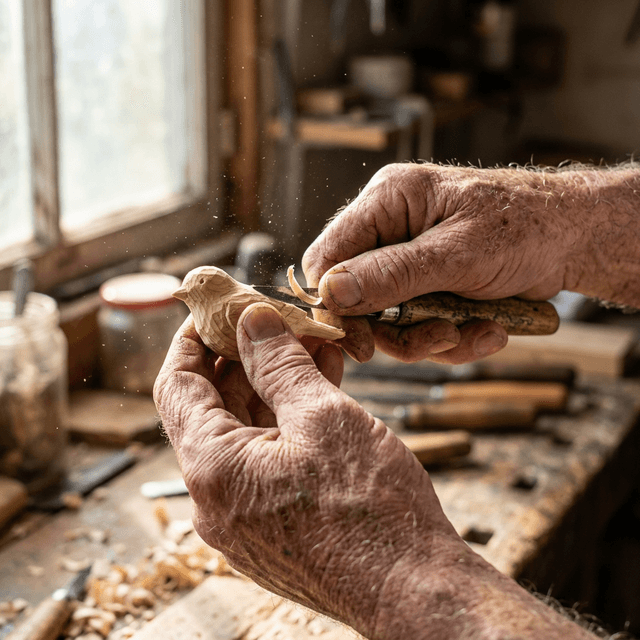
Example 2: Product photo negative prompt
Product imagery breaks fast when it looks artificial. Prioritize material quality, logo accuracy, reflection control, edge clarity, and scene cleanliness.
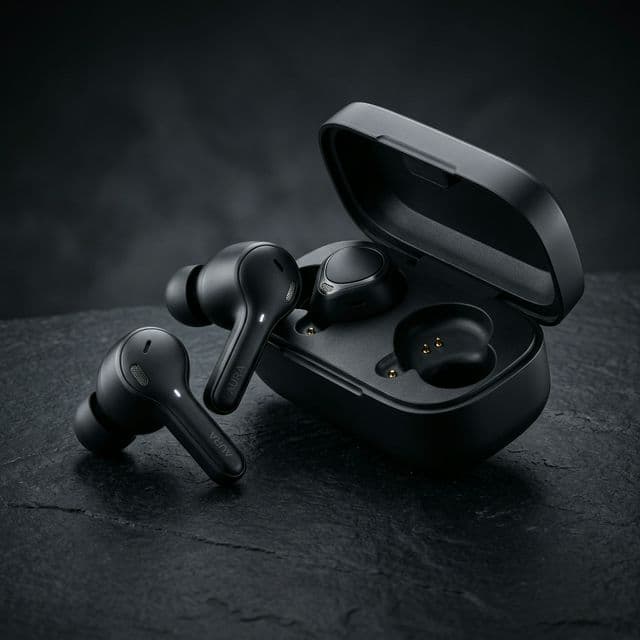
Example 3: Anime and illustration negative prompt
Anime images often need cleanup around extra limbs, costume inconsistency, dirty line quality, and noisy backgrounds.
extra arms, extra legs, fused fingers, deformed face, bad hands, messy lineart, inconsistent costume details, cluttered background, muddy colors, low contrast, off-model character design
Example 4: Poster, label, and packaging negative prompt
As soon as text matters, you need to explicitly fight gibberish, stretched letters, and broken layout hierarchy.
misspelled text, gibberish letters, warped typography, inconsistent font shapes, broken layout, overlapping text, stretched label, unreadable headline, cluttered composition
How to write stronger negative prompts
- Start with 5 to 10 high-impact exclusions instead of a massive list
- Group by problem type instead of repeating synonyms
- For portraits, focus on anatomy and skin; for products, focus on material, label, and reflections; for posters, focus on text and layout
- If the result becomes too constrained, cut your negative prompt list in half and test again
How this changes by model
Not every model responds to negative prompts in the same way. Stable Diffusion usually benefits the most from explicit negative lists. Midjourney tends to work better with shorter and more selective exclusions. GPT Image style models often respond better when you phrase the exclusion naturally and tie it to the outcome you want.
Final takeaway
A negative prompt is not effective because it is long. It is effective because it targets the exact failure mode in the current output. If the image has bad hands, attack hands. If the label is warped, attack typography. That focused approach usually improves quality much faster than adding more positive adjectives.
Похожие статьи
Продолжайте чтение: практические гайды, сравнения моделей и рабочие примеры.
Product Photo Prompt Templates: Copy-and-Use Formulas for Better AI Product Images
Use practical product photo prompt templates for skincare, tech, jewelry, food, and premium studio setups. Copy the formulas, swap the details, and refine faster.
Nano Banana 2 Prompts: 12 Practical Image Editing Examples
Use 12 copy-and-adapt Nano Banana 2 prompts for product photos, portraits, text layouts, background edits, and consistent visual series.
How an AI Anime Image Generator Brings Your Imagination to Life
Discover the magic behind AI anime image generators. Learn how to craft the perfect prompts to generate stunning anime art, featuring interactive prompt templates.
The image-to-prompt service has ended
The generator is offline. Visit the homepage for the full service update.